Urban Edge: NYC-Inspired Streetwear Design Aesthetics
Capturing the Concrete Jungle Vibe
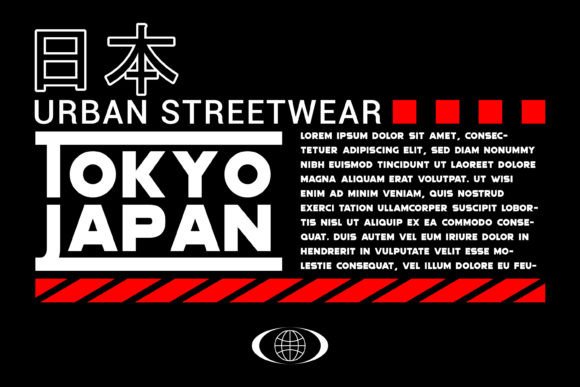
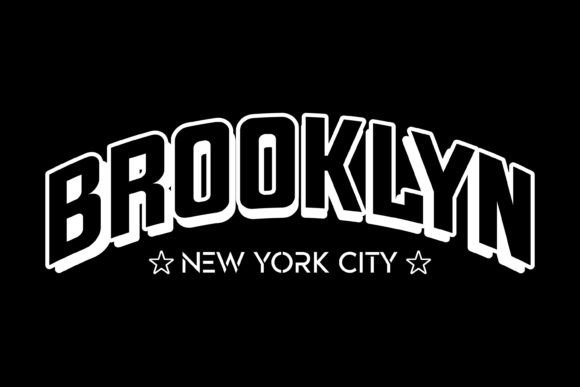
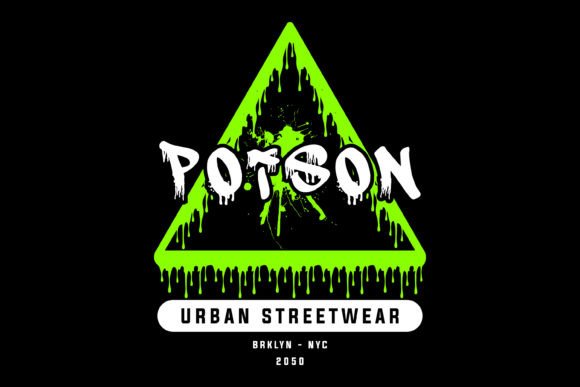
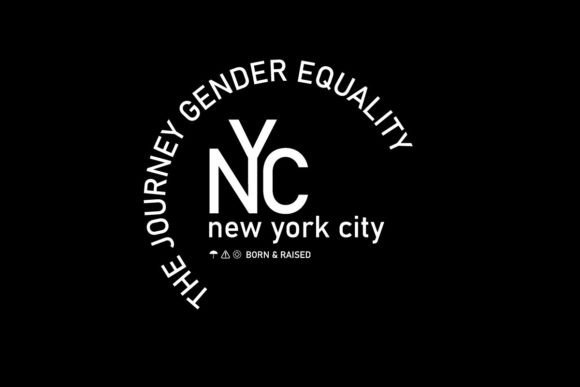
There's a distinct energy to New York City that goes beyond the skyline. It’s a mix of grit, history, and high-fashion that defines the city’s visual language. When we talk about New York City Graphic Design in the context of streetwear, we aren't just talking about pictures of taxis or skyscrapers. We are referring to a specific design philosophy: bold, raw, and unapologetic. This collection of urban designs taps into that aesthetic, offering vectors that feel like they were ripped straight from the walls of SoHo or the streets of Brooklyn. These aren't your standard clip-art graphics; they are curated pieces of art meant to evoke the personality of the city—resilient, stylish, and constantly evolving.
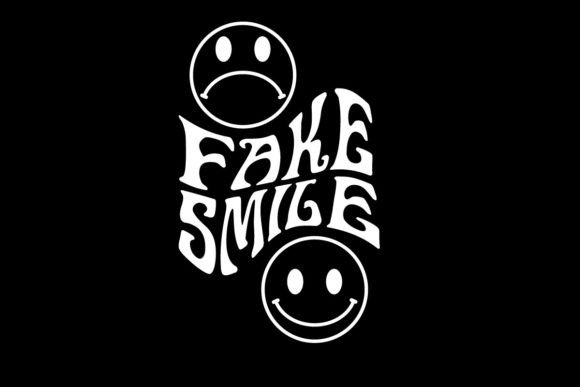
The appeal of this style lies in its versatility. It balances the line between chaotic street art and clean, modern typography. You will notice elements that feel industrial yet artistic. This makes the collection perfect for anyone looking to inject a bit of metropolitan cool into their work. Whether you are designing for a local coffee shop trying to look edgy or a clothing line aiming for that "hypebeast" aesthetic, these designs provide the raw material. The visual characteristics often include distressed textures, sharp geometric shapes, and a sense of movement that mimics the pace of the city itself. It’s a visual shorthand for being current, relevant, and connected to culture.
From Vector File to Custom Merchandise
One of the biggest hurdles in merchandise design is scalability. You might have a great idea for a hoodie, but if your graphic looks pixelated when printed large, the product is ruined. This is where the technical aspect of this collection shines. Being 100% vector source files in EPS formats, these assets are built for flexibility. You can scale them up for a massive back-print or scale them down for a chest logo without losing a single pixel of quality. This is crucial for creating professional custom printed clothing. It ensures that your final product looks crisp and intentional, regardless of the printing method—whether it’s sublimation, DTG (Direct to Garment), or screen printing.
For the entrepreneur or small business owner, the workflow is straightforward. You receive the ZIP file, extract the assets, and open them in vector graphics software like Adobe Illustrator or Affinity Designer. From there, the "New York City Graphic Design" elements are fully malleable. You aren't stuck with the original color palette. If your brand identity relies on neon pinks and blacks instead of the standard greys and whites, you can recolor the entire design in seconds. You can strip away elements that don't fit your specific product or add text overlays to create a unique composition. This transforms a static asset into a dynamic part of your brand identity.
Strategic Applications for Brands and Creators
How you use these designs depends heavily on your audience. For streetwear fashion brands, these graphics serve as the backbone of a collection. The urban aesthetic naturally appeals to a demographic that values authenticity and culture. Using these vectors allows you to create a cohesive design line where the t-shirts, hoodies, and accessories share a common visual thread. It helps in building brand recognition; when a customer sees that distinct urban style, they immediately associate it with your label.
Beyond clothing, the application extends to digital and print media. If you are a content creator or a blogger, these high-resolution JPGs and vectors can be used for social media graphics. A gritty, urban background can make a simple text post pop on Instagram or TikTok. For packaging design, especially for products targeting younger adults or urban markets, these textures add a layer of perceived value. It moves a product from looking generic to looking "designed." Even for editorial design—think magazine covers or feature spreads—a touch of this New York City Graphic Design style can break up the monotony of standard layouts and grab the reader's attention immediately.
Practical Guide to Editing and Pairing
To get the most out of these assets, you need to treat them as design assets rather than finished products. The real value is in how you manipulate them. Here are a few practical steps for implementation:
- Evaluating Fit: Before you start, look at the complexity of the graphic. Does it match the simplicity of your garment? Sometimes a busy design works best on a plain white tee, while a simpler graphic might be better for a patterned hoodie.
- Typography Pairing: Since these are graphic-heavy, your choice of typeface is critical. You generally want to pair a complex urban graphic with a clean sans serif font or a bold display font. Avoid overly ornate script fonts or delicate serif fonts that might get lost against the texture of the street art. The goal is visual hierarchy—the graphic grabs attention, and the text delivers the message clearly.
- Color Theory: While you can recolor, consider the psychology of the palette. Monochromatic schemes (black, white, grey) often feel more premium and align with the modern typography trend. However, splashes of color can make the design feel more youthful and energetic.
- Testing Readability: Always print a test swatch or mockup. Check how the lines hold up on fabric. Sometimes, very thin lines in a vector design can disappear on certain textiles like heavy cotton hoodies.
Ultimately, this collection of New York City Graphic Design elements is about giving you control. It provides the high-quality raw materials so you can focus on the strategy—whether that is launching a new streetwear line, refreshing your logo design, or creating standout merchandise for an event. By leveraging the editable nature of the files, you ensure that your final output is not just a generic print, but a true extension of your creative vision.