Fake Smile Graphic Design: Urban Edge for Modern Streetwear
Understanding the Aesthetic of Fake Smile Graphic Design
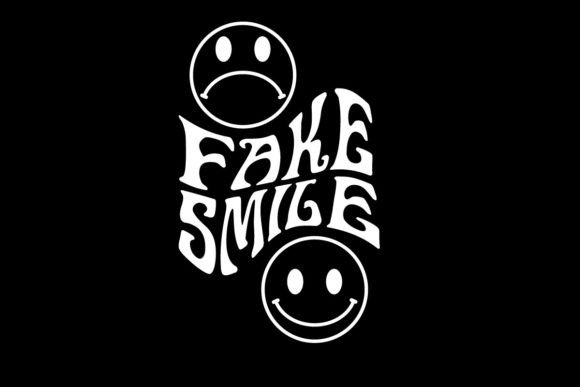
In the fast-paced world of streetwear and urban fashion, visual language speaks louder than words. Fake Smile Graphic Design captures a specific, gritty, and authentic vibe that resonates deeply with contemporary culture. It isn't just a collection of random shapes; it is a curated visual narrative. The design style typically embraces bold lines, imperfect textures, and a raw, hand-drawn feel that mimics the energy of the streets. When you look at this collection, you see a blend of irony and confidence—hence the name—which appeals to a demographic that values authenticity over polished perfection.
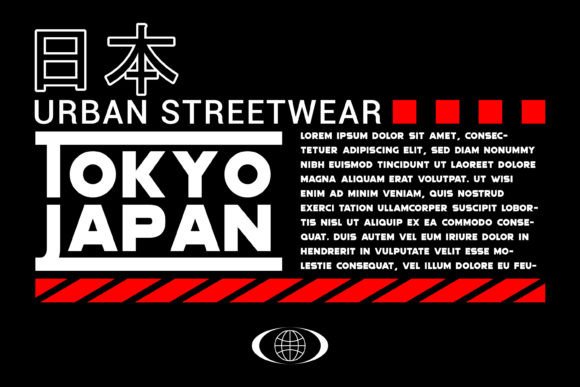
For designers and brand builders, the appeal lies in its versatility within a specific niche. This isn't a corporate design asset meant for a law firm's annual report. It is built for the canvas of a hoodie, the back panel of a heavy cotton tee, or the branding of a skate shop. The visual characteristics often include distorted typography, urban iconography, and a sense of motion. This style helps brands establish a distinct personality that feels modern, edgy, and culturally relevant.
Transforming Merchandise with Vector Flexibility
One of the most practical advantages of the Fake Smile Graphic Design collection is the technical foundation upon which it is built. As a premium font and graphic set delivered in 100% vector formats (EPS), it solves one of the biggest headaches in production: scalability. Whether you are printing a small chest logo or a massive oversized back print, the integrity of the design remains flawless. You can scale up and down without losing quality, ensuring that your final product looks professional regardless of the print size.
The utility of these files extends far beyond simple placement. Because the files are editable in standard vector graphics software, you have total creative control. You can deconstruct the elements, recolor them to match a specific seasonal palette, or combine them with other design assets. For those working in sublimation or Direct-to-Garment (DTG) printing, the inclusion of high-resolution PNGs with transparent backgrounds is a massive workflow improvement. It allows for immediate drag-and-drop functionality in mockup generators and production software, streamlining the path from concept to finished merchandise.
Strategic Applications for Brands and Creators
For the entrepreneur or small business owner, this collection offers a shortcut to a high-end brand identity. Developing a cohesive visual language from scratch is expensive and time-consuming. By utilizing Fake Smile Graphic Design, you can instantly equip your clothing line with artwork that looks like it was commissioned by a high-end streetwear studio. This consistency is vital for recognition. When your social media graphics, web design banners, and physical products share the same visual DNA, it builds trust with your audience.
Consider the following practical applications for this collection:
- Custom Apparel Lines: Use the designs as the hero graphic for limited edition drops or core collection staples.
- Editorial Design: Incorporate the gritty textures into magazine layouts or digital lookbooks to add an urban edge.
- Packaging Design: Apply the graphics to mailer boxes, tissue paper, or stickers to create an unboxing experience that reinforces the brand's streetwise attitude.
- Social Media Assets: Use the PNG elements to create engaging Instagram stories or TikTok overlays that stop the scroll.
Readability and Visual Hierarchy in Urban Contexts
While Fake Smile Graphic Design leans heavily into artistic expression, effective design still requires an understanding of visual hierarchy. In the context of streetwear, text often functions as texture as much as it does information. However, when incorporating these elements into logo design or merchandise tags, readability remains key. The bold nature of these designs ensures high contrast, which aids in legibility even on textured fabrics like French terry or heavy knits.
When working with this style, it is helpful to pair it with cleaner elements for balance. For example, using a stark, minimal sans-serif typeface for care instructions or sizing information allows the artistic "Fake Smile" elements to take center stage without overwhelming the viewer. This contrast creates a professional look. It shows that you understand how to balance chaos with order—a hallmark of successful modern typography in the fashion space.
Practical Guidance for Implementation
Before integrating Fake Smile Graphic Design into your workflow, it is worth taking a moment to evaluate the fit. This style is distinct. It works best for projects targeting younger, culturally savvy audiences or brands that position themselves as disruptors. If your brand voice is strictly corporate or traditional luxury, this might serve better as an accent rather than a primary identity. However, for the vast majority of modern streetwear, skate, and lifestyle brands, this aesthetic is a perfect match.
Here is a quick checklist for evaluating and using the files:
- Check the Format: Ensure your software (Adobe Illustrator, Affinity Designer, CorelDRAW) can open EPS files to unlock the full vector editing capabilities.
- Test Colorways: Before finalizing a print run, recolor the vector files to match your fabric. A design that looks great on a white screen might need adjustment for a black or charcoal garment.
- Evaluate the ZIP: The files come compressed. Extract them fully to ensure you have access to both the vector sources and the high-res PNGs.
- Commercial Licensing: Always review the license terms. For standard merchandise, these assets are typically cleared for commercial use, allowing you to sell the products you create with them.
Ultimately, Fake Smile Graphic Design