Original Streetwear Graphic Design: Beyond the Hype
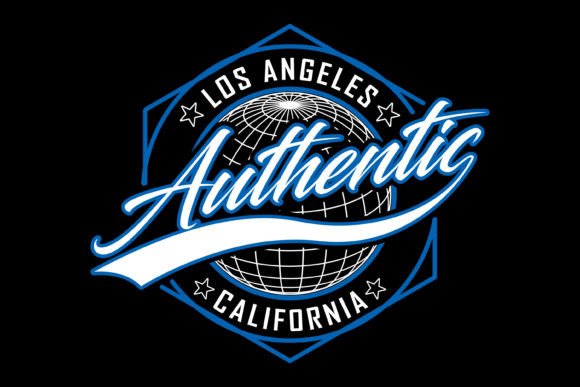
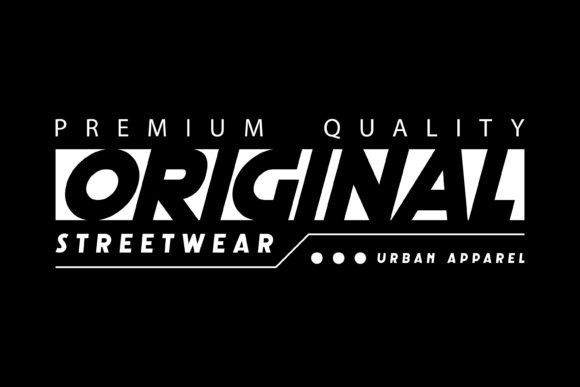
There's a specific energy to the streetwear aesthetic that's hard to pin down. It’s more than just edgy graphics on a t-shirt; it’s a cultural language spoken through bold typography, raw textures, and a confident, almost defiant, attitude. When you’re building a brand or a project in this space, the design assets you choose are everything. They aren't just decorations; they are the foundation of your identity. This is where a resource like the Original Streetwear Graphic Design collection comes in, not just as a set of files, but as a toolkit for capturing that authentic, gritty vibe.
Forget the generic clip-art that floods the market. A well-crafted streetwear design system is built for impact. We’re talking about assets that understand the culture—the balance between aggressive lines and subtle details, the use of symbolic imagery, and the power of a graphic that feels both timeless and of-the-moment. It’s the kind of design that makes a viewer stop scrolling, lean in, and feel like they’ve discovered something real.
Anatomy of an Authentic Streetwear Aesthetic
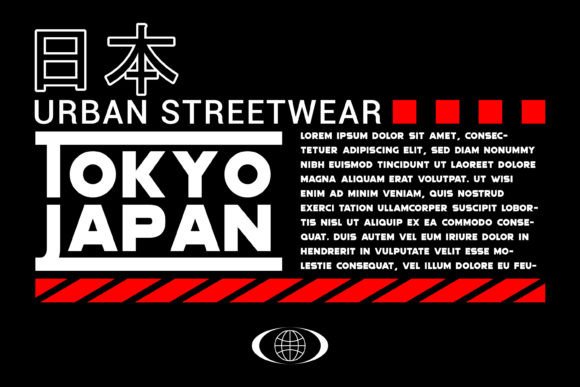
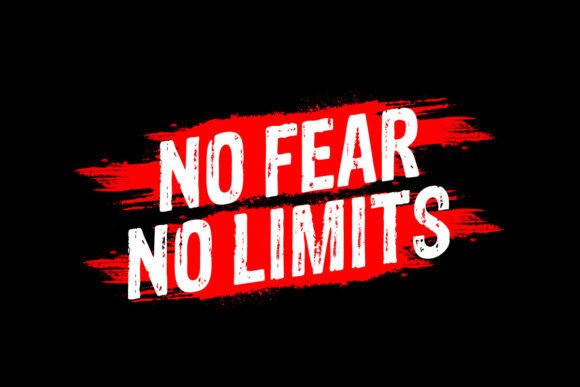
So, what actually defines this style? It’s a fusion of influences. You’ll often see elements drawn from punk rock flyers, Japanese kanji, old-school hip-hop graffiti, and military stencil art. The personality is raw, urban, and unapologetic. It doesn’t whisper; it shouts, but with a certain level of sophistication. The appeal lies in its versatility and its ability to convey a strong message instantly. A design might use a distressed texture to give it a vintage, worn-in feel, or it might employ sharp, clean vectors for a more modern, technical look.
The real strength of a dedicated graphic design pack is its cohesion. Instead of hunting for disparate elements and trying to force them together, you get a curated visual language. This particular collection, with its 100% vector shapes, is a game-changer for any creative professional. Why? Because vectors are infinitely scalable. That skull graphic you want on a tiny chest label? It will be crisp. The same graphic blown up for a massive festival banner? Still perfectly sharp. This level of quality, delivered at 300 dpi in high-resolution JPG and PNG formats, means you’re working with assets that are ready for the real world.
From Screen to Street: Practical Applications
The true test of any design asset is its utility. This is where the "Original Streetwear Graphic Design" kit proves its worth. The included EPS 10 and AI formats are crucial. They aren't just for show; they mean you have full, fully editable vector control in Adobe Illustrator. You can deconstruct a design, swap out colors to match your brand palette in seconds, or tweak a shape to make it uniquely yours. This easy to change colors feature is fundamental for creating a consistent brand identity across multiple products.
Think about the projects this unlocks:
- Apparel & Merchandise: This is the home turf. These graphics are perfect for t-shirt sublimation, direct-to-garment printing, and screen printing. But don't stop at tees. Think hoodies, joggers, hats, and tote bags. The ready to print nature of the files means you can move from concept to production with minimal friction.
- Stickers & Patches: Streetwear culture loves a good sticker pack or embroidered patch. The clean vector shapes translate perfectly to die-cut stickers or vector-based embroidery digitizing.
- Digital Presence: Use these assets to create killer social media graphics, YouTube thumbnails, or Twitch overlays. A strong visual on your Instagram feed can do more for brand recognition than a thousand words.
- Branding & Beyond: While designed for apparel, the aesthetic can inform an entire brand identity. Use elements for logo design, website banners, or even packaging design for a product line that wants to appeal to this demographic.
Integrating the Vibe: Strategy Over Style
Having a cool graphic is one thing; using it effectively is another. The key is to think like a brand strategist, not just a designer. How does this asset influence your audience's perception? A gritty, distressed graphic communicates authenticity and a "lived-in" feel. A sharp, geometric design might suggest a more technical, forward-thinking brand. Your choice directly impacts brand perception and audience engagement.
When pairing these graphics with typography, consider contrast. A bold, blocky streetwear graphic might pair well with a clean sans serif font for body text to ensure readability. Alternatively, you could lean into the theme with a script font or handwritten font for a more personal, raw touch, but use it sparingly to avoid visual clutter. The goal is visual hierarchy—the most important element (your main graphic or headline) should command attention first.
Before you dive in, do your due diligence. Always check the commercial font or asset licensing. Is it cleared for print-on-demand? For resale on physical products? This collection’s clear licensing makes it a safe bet for entrepreneurs and small business owners. Take the time to explore every file. You might find a secondary element—a texture, a border, a symbol—that becomes a signature part of your visual system, adding that layer of consistency and professionalism that sets a brand apart.
Ultimately, tools like this are about empowerment. They give you the building blocks to communicate a specific cultural language. Whether you're a designer crafting a client's line, an entrepreneur launching your own label, or a content creator building a visual world, the right assets save you time, elevate your work, and help you connect with an audience that speaks the same language. It’s about having the confidence to create something that feels authentic, because the foundation you’re building on is solid.